
Building a Nation on Land and People
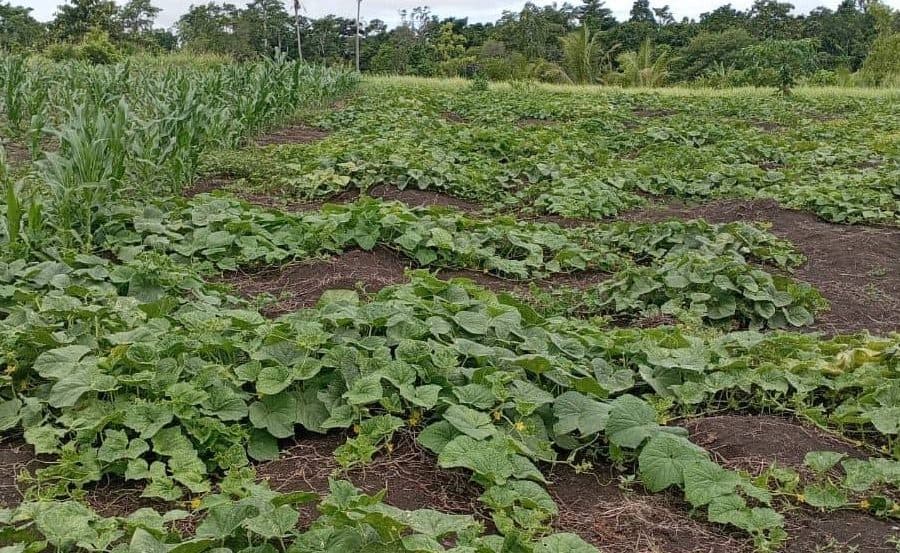
In 1974, as Papua New Guinea prepared for Self-Government and Independence, the country faced an important choice. It could continue with the colonial system, central control, foreign companies, and fast economic growth that mainly benefited outsiders. Or it could choose a different path.
The members of the Constitutional Planning Committee chose a new direction. Their report was more than a guide for government. It set out a clear vision for the kind of nation Papua New Guinea should become. At the center of that vision was agriculture. To them, farming was not just an economic activity. It was the foundation of people’s lives, equality, and real independence.
Development Is About People, Not Just Money
The Committee rejected the idea that development simply meant more money or a bigger economy. They believed true development meant improving the lives of all people, not just a few. Their focus was on the wellbeing of the whole person, socially, culturally, and economically.
Agriculture played a key role in this thinking. Most Papua New Guineans lived in rural areas and depended on their land. The Committee understood that development which pulled people away from their land, families, and customs would damage the nation. They wanted farming to improve people’s lives without breaking village life or traditional values.
Land as the Basis of Equality
The Committee was worried about growing inequality. They did not want Papua New Guinea to develop a small, wealthy urban elite while most people in villages were left behind.
Their solution was to protect land ownership and smallholder farming. Papua New Guineans held strong customary land rights, passed down over generations. The Committee saw this as one of the country’s greatest strengths. They wanted to make sure no citizen became landless, as had happened in many other countries. Land was not something to sell off for quick profit. It was a shared inheritance that gave everyone a chance to live with dignity.
Choosing Self-Reliance Over Outside Control
The Committee strongly criticised the colonial approach to development. This model relied heavily on foreign companies to invest, extract resources, and take profits overseas. Papua New Guineans were often left with little control and few benefits.
Instead, they promoted self-reliance. They believed agriculture should grow through local effort, village farms, small businesses, and cooperatives that reflected communal traditions. Foreign investment was not rejected outright, but it had to serve national interests. It had to benefit local people, respect communities, and allow Papua New Guineans to farm and trade for themselves.
Bringing Decisions Closer to the People
The Committee also believed that decision-making needed to move away from Port Moresby. They described the colonial system as extremely centralized and out of touch with rural life.
Their answer was decentralization through provincial government. Local governments would make plans and spend money based on local needs. Farmers and communities would have a real say over their land, crops, and future. This meant agriculture policy would be shaped by the people who depended on it most.
Caring for the Land for Future Generations
Environmental care was another key part of the Committee’s vision. They believed the land, rivers, forests, and sea were not just resources to use up. They were a gift held in trust for future generations.
Drawing on traditional beliefs, they warned that careless destruction of the environment would harm the nation itself. Agriculture, they argued, must work with nature, not against it. One generation had no right to destroy what the next would need. This was a clear warning against large-scale projects that focused on short-term profit and ignored long-term damage.
A Vision That Still Matters
The Committee knew their ideas would not be easy to carry out. They understood that strong interests would resist change, and that a constitution alone could not guarantee action.
Still, they believed that setting these principles in the Constitution mattered. By putting people first, protecting land, encouraging self-reliance, respecting the environment, and valuing local ways, they offered Papua New Guinea a different future.
Their vision sees agriculture not just as a way to earn money, but as the backbone of society. It is a vision of a country built on its land, its people, and its own values; strong, independent, and rooted in its past while looking to the future.
Read more from Duncan Gabi on the Auna Melo blog